
Airway and Jaw Joint Problems
Millions of people worldwide suffer from Breathing Disordered Sleep (BDS) and TMJ disorders, often at the same time, since both are linked. Unfortunately, most go undiagnosed or receive incomplete treatment because the symptoms vary so widely.
Issues like headaches, neck pain, snoring, and daytime fatigue may seem unrelated, but are often connected. These problems commonly develop from mouth breathing and incorrect swallowing habits that begin in childhood and intensify over time.
The effects of mouth breathing
When mouth breathing, the lips are open, the tongue drops, and swallowing becomes abnormal. This can restrict jaw growth, crowd the teeth, and push the jaw backward, causing strain and long-term damage to the jaw joints (TMJ). As the body compensates, posture changes, often leading to headaches, neck, and back pain.

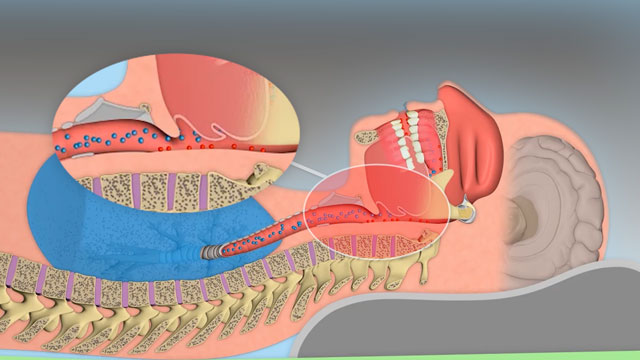
Airway Obstruction and Collapse
Mouth breathing is also linked to Sleep-Related Breathing Disorders (SRBD). In severe cases, it can progress to Obstructive Sleep Apnoea (OSA), where the airway collapses during sleep. This causes frequent waking, raising the risk of heart disease and stroke.
The Temporomandibular Joint - TMJ
TMJ problems and breathing disorders are closely connected, and many people remain undiagnosed. Treating only the symptoms offers little long-term relief. Addressing the root cause with professional guidance provides the best chance for lasting results.


Current Treatment Limitations
The conventional treatments for SRBD or OSA, typically include Continuous Positive Airway Pressure (CPAP) or Mandibular Advancement Devices (MADs). While these devices can relieve symptoms, they can also place extra strain on the jaws and may even aggravate TMJ problems.
CPAP uses positive air pressure to keep the airway open and prevent it from collapsing. However, many patients stop using it due to discomfort, inconvenience and other side effects. More importantly, it doesn’t correct the root cause, so the problem may persist.
MADs are more convenient and often easier to use. They hold the lower jaw forward to open the airway but can create new problems. Long-term use may push the upper jaw back, strain the TMJs, damage the joints, and even cause permanent changes to the bite and teeth alignment.
Similarly, some splint treatments for TMJ disorder address jaw pain but ignore breathing, which can exacerbate breathing disorders.
Your Next Steps
Not sure where to begin? Start your journey toward healthier sleep and a better quality of life with these easy to follow steps.
Step 1
Is Myosa® treatment suitable for me?
Take our short assessment to identify possible breathing and sleep symptoms relating to you.
Step 2
Find your nearest Myosa® practitioner.
Your Myosa® practitioner will conduct a complete evaluation of your symptoms and tailor a treatment plan specifically for you.
Step 3
Start treatment.
Begin treatment with your practitioner or explore our Myosa® Self Care appliance range.