
Myosa® for TMJ
Jaw Joint (TMJ) Problems

Jaw joint problems are often diagnosed as TMJ Disorder. Clenching, grinding, stress, misaligned jaws or trauma are common factors associated with TMJ Disorder, but in many cases, the problems actually start in childhood with mouth breathing and poor oral muscle habits (known as myofunctional disorders).
When breathing through the mouth, the tongue drops down away from the roof of the mouth, leading to abnormal swallowing. This puts pressure on the jaw joints and can trigger clicking, locking, and muscle inflammation. Over time, mouth breathing weakens airway muscles, restricts jaw growth, and contributes to airway collapse during sleep.
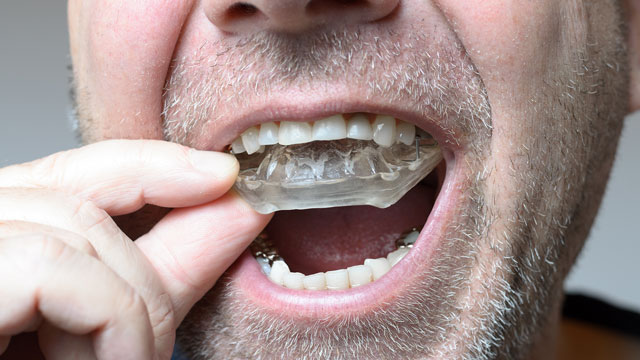
Conventional treatments for TMJ disorder using splints may effectively manage jaw pain, but they ignore the problems relating to breathing, which can exacerbate breathing disorders.
To read more about conventional treatment options on The Causes section of this site.


How it Works
Myosa® appliances are worn daily for 1–2 hours and overnight while sleeping. The appliances work by decompressing the jaw joint (TMJ) and moving the lower jaw into the correct position as well as limiting bruxing, mouth breathing and incorrect myofunctional habits.
In addition to using the Myosa® appliances, treatment combines a series of exercises that aim to further improve breathing patterns as well as strengthen, stretch and tone the oral muscles.


Treatment Journey
A typical first phase lasts 6 months, after which your practitioner will review progress and recommend the next steps. If dental or breathing improvements are desired, your treating practitioner may recommend Myobrace® or Myoretainr® treatment solutions by MRC.
While no treatment can promise complete symptom relief, Myosa® treatment targets the root causes of TMJ Disorder, helping you achieve lasting results.
Take our online assessment to determine whether TMJ treatment may be suitable for you, or contact us to help you find your nearest Myosa® practitioner.