
Myosa® for TMJBDS®
TMJ and Breathing Disordered Sleep (TMJBDS)
Symptoms relating to jaw joint (TMJ) and breathing disorders vary so widely that many people remain undiagnosed or only receive temporary relief. These combined conditions can be referred to as TMJBDS (TMJ and Breathing Disordered Sleep).

For comprehensive rehabilitation of TMJ and breathing disorders, TMJBDS® treatment involves the careful management of:
- Teeth (T),
- Muscles (M),
- Jaws (J),
- Breathing (B), and
- Disordered (D)
- Sleep (S)
TMJBDS often begins in childhood as mouth breathing and poor oral habits. When breathing through the mouth, the tongue drops down away from the roof of the mouth, leading to abnormal swallowing. This puts pressure on the jaw joints and can trigger clicking, locking, and muscle inflammation. Over time, mouth breathing weakens airway muscles, restricts jaw growth, and contributes to airway collapse during sleep. Sleep related breathing disorders are also known to cause a variety of mental, physical and dental issues.
Traditional dental splints or CPAP machines may offer short-term relief but fail to correct the underlying dysfunction. Many CPAP patients also stop use due to discomfort and inconvenience.
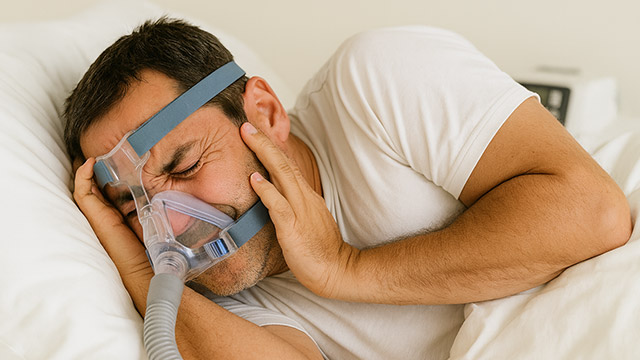
To read more about conventional treatment options on The Causes section of this site.

How it Works
Myosa® treatment focuses on addressing the underlying breathing and muscle problems behind TMJBDS, offering a more comfortable and sustainable solution.
Myosa® appliances are worn daily for 1–2 hours and overnight while sleeping. The appliances work by repositioning the lower jaw to open the airway, improve tongue posture and oral muscle function as well as encourage nasal breathing. Myosa® Activities and Myotalea® appliances further assist in strengthening oral and airway muscles to reduce collapse during sleep.

Treatment journey
A typical first phase lasts 6 months, after which your practitioner will review progress and recommend next steps. If further dental and breathing improvements are desired, your treating practitioner may recommend Myobrace® or Myoretainr® treatment solutions by MRC.
While no treatment can promise complete relief, the Myosa® treatment targets the root causes of TMJBDS, helping you achieve lasting improvement.
Take our online assessment to determine whether TMJBDS treatment may be suitable for you, or contact us to help you find your nearest Myosa® practitioner.